
Lilac vs Isabella French Bulldogs: The Color Difference Buyers Confuse Most
When a breeder describes a puppy as lilac or Isabella, the distinction can sound obvious—until you see photos, compare listings, or ask what the DNA results actually show. Lilac vs Isabella French Bulldogs: The Color Difference Buyers Confuse Most is a topic worth understanding before color becomes part of a buying decision. These labels relate to inherited coat-color traits, but breeders and enthusiasts do not always use them consistently, and appearance alone cannot confirm a puppy’s genotype.
This guide explains the basic genetics behind the terms, what may make the coats look different, and how to read color claims without confusing a fashionable label with proof of health or quality. You will also get a practical checklist for asking a breeder about parentage, testing, documentation, puppy care, and the Frenchie’s structure and breathing. Color is one part of a dog’s appearance; it does not replace a careful review of health, temperament, and responsible breeding practices. No single DNA result guarantees a healthy dog, so use this information alongside veterinary guidance and direct, transparent conversations.
Start with the genes, not the color name
Coat color comes from inherited combinations of genes. For the lilac and Isabella labels, the conversation commonly involves brown pigmentation and dilution. However, color terminology in French Bulldogs is not always applied in one uniform way. A seller may use a term as a shorthand for a visual shade, while another may tie it to a particular genotype or combination of variants.
That inconsistency is why a color name is not the same as genetic evidence. If a breeder calls a puppy Isabella, ask which specific inherited variants they mean and whether they can show the relevant laboratory report. A clear answer should describe the tested traits in plain language, rather than relying on a rare-color nickname alone.
What “dilute” describes
Dilution affects how pigment appears in the coat and sometimes in the nose or other pigmented areas. It does not describe the dog’s overall health, personality, or quality. The same broad color description may look slightly different across dogs due to age, lighting, coat condition, and other inherited modifiers.
Why labels can differ between breeders
Color vocabulary is shaped by breeder conventions, marketing, and community use, not only by formal genetic naming. As a result, two people may use “lilac” and “Isabella” differently. The safest approach is to ask for the genotype or test result behind the claim and clarify how the breeder is using the term.
- Ask for the exact traits tested, not just a color label.
- Confirm which parent passed each relevant variant.
- Request the laboratory report or a verifiable record.
- Keep the dog’s health and welfare separate from color terminology.
Lilac and Isabella: a practical comparison
It is tempting to settle the distinction by looking at coat photos. That can be a starting point, but it is not a reliable way to establish a dog’s genetic makeup. Photographs can shift color because of indoor bulbs, sunlight, camera processing, and coat age. Even in person, visual impressions cannot tell you which variants a dog carries.
| Question | Lilac description | Isabella description | What a buyer should verify |
|---|---|---|---|
| What is it? | A color term often used for a diluted brown-based appearance. | A term whose exact use may vary; commonly associated with a particular brown-and-dilution combination. | Ask the breeder to define the term and identify the test results supporting it. |
| Can a photo confirm it? | No. Lighting and image editing affect appearance. | No. Similar shades may be described differently. | Use photographs as visual context, not as genetic proof. |
| Does the label establish health? | No. | No. | Review health records, structure, breathing, and the parents’ documented evaluations. |
| What is the key evidence? | Relevant DNA testing and clear parentage records. | Relevant DNA testing and a consistent explanation of the breeder’s terminology. | Get the report, laboratory details, and an explanation of what was tested. |
This comparison is deliberately cautious: there is no universally applied visual rule that can replace a test. For a broader introduction to inheritance and testing, see this resource on French Bulldog DNA. The useful question is not simply, “Which color is rarer?” It is, “What exactly is documented, and how does the breeder prioritize the dog beyond its coat?”
Read color DNA reports as evidence, not a certificate of quality
A canine DNA report can help establish whether a dog carries particular tested variants. It cannot, by itself, prove that a breeder uses sound selection practices or that a puppy will remain free of health problems. Ask what panel was used, which traits it covered, and whether the report belongs to the named dog. If parentage is important to the claim, ask how it was verified.
Check the report’s identity details
Look for the dog’s registered or identifying name, sample or report number, testing laboratory, and date. The breeder should be able to explain how the dog in the report matches the dog being discussed. If a screenshot is incomplete or the names do not align, request clarification rather than assuming the result applies.
Ask what the panel does not test
Color panels vary. They may cover selected coat-color variants but not every gene that can affect appearance, and they do not replace health testing. The report should be interpreted within its stated scope. A responsible breeder will distinguish a color result from examinations or tests relevant to the parents’ health.
Trace the inheritance through both parents
Ask how each parent’s results relate to the puppy’s possible inheritance. A breeder should not need to make unsupported promises; they should be able to explain the expected pairing and show records. For a more detailed introduction to genetics in the breed, consult the role of genetics in French Bulldogs.
- Request the complete report or an official result that can be verified.
- Match the report to the parent or puppy by name and identifying details.
- Ask what variants the laboratory tested and what they mean.
- Ask which outcomes the panel cannot predict.
- Keep copies of the records provided with your puppy documents.
Coat shade can mislead even careful buyers
Visual color is affected by more than a label. Puppy coats can change as they mature, and the appearance of pigment may vary with coat length, sun exposure, grooming, and the camera used. Two dogs with related genetic backgrounds may not look identical. Conversely, dogs that look alike may have different combinations of inherited traits.
Compare photos under similar conditions
If you are reviewing pictures, ask for recent, unfiltered images in natural light. Compare the coat, nose, and other visible pigment in more than one setting, but treat that as an aid to conversation only. A photograph can help you understand what the breeder means by a shade; it cannot validate the genotype.
Do not treat a puppy’s shade as a health forecast
Coat color alone does not tell you whether a dog will have a skin condition or another inherited health issue. Some French Bulldogs may develop skin or coat concerns, but an individual dog’s risk depends on many factors. Ask about the parents’ history, the puppy’s current condition, and the plan for veterinary care. Consult a veterinarian about any specific concerns rather than relying on online color claims.
- Be wary of edited images presented as genetic proof.
- Ask whether the puppy’s shade or pigmentation has changed with age.
- Request clear documentation rather than relying on visual comparisons.
- Assess the puppy’s whole condition, not a close-up of the coat.
Color inheritance is different from responsible breeding
Knowing how a color trait is inherited is only one part of evaluating a breeding plan. Responsible selection considers the health and welfare of both parents, the puppies’ structure and temperament, and the suitability of the pairing. A rare or desirable coat should not be the main reason to breed two dogs together.
The French Bulldog’s short muzzle and compact build make careful attention to functional structure especially important. Ask how the breeder assesses breathing, movement, and the parents’ general health. A breeder should talk openly about known limitations and risks, rather than promising that a color or DNA panel makes the puppy problem-free.
Look for balanced priorities
Breeding decisions should account for much more than appearance. Ask how temperament, body structure, breathing, and health history inform the choice of parents. If the conversation focuses almost entirely on a rare shade, request more information about the dogs’ welfare and the evidence supporting the pairing.
Understand what health testing can and cannot do
Health evaluations may reduce risk by helping breeders make informed choices, but no test prevents every condition. Records should be interpreted by qualified professionals, and veterinary care remains important throughout a dog’s life. The American Kennel Club’s French Bulldog breed standard provides context on breed characteristics and structure; it is not a substitute for an individual health assessment.
- Ask which evaluations were completed for each parent.
- Ask who performed them and whether records are available.
- Discuss breathing, mobility, skin, and family health history.
- Be cautious of claims that any color guarantees superior health.
Choose breeder transparency over rare-color promises
A transparent breeder makes it possible to understand the puppy’s background and the decisions behind the litter. They welcome reasonable questions, explain what they know and what they cannot guarantee, and provide clear written terms. This matters whether the puppy is described as lilac, Isabella, or another color.
Color descriptions should be precise enough to check. Ask the breeder to explain their terminology, show the relevant records, and tell you whether the color is a confirmed genotype or a visual description. When claims are vague, pressured, or impossible to document, slow the process down.
Buyer questions that reveal the process
- What do you mean by “lilac” or “Isabella” in this litter?
- Can I review the parents’ color DNA reports and relevant health records?
- How do you evaluate breathing, structure, and temperament?
- What veterinary care has the puppy received, and what is due next?
- What support do you provide after the puppy goes home?
- What does the contract say about health records, responsibilities, and return or support arrangements?
Notice how the breeder responds
Good answers are specific, calm, and consistent with the documents. A breeder who admits uncertainty about a technical term and offers to verify it is more credible than one who makes absolute claims without evidence. You should have time to consider the information and consult a veterinarian or genetic-testing professional if needed.
For more context on evaluating a program, read this overview of French Bulldog breeders. Use it as background while assessing the particular dogs and records in front of you; no general article can verify a breeder’s individual claims.
Separate color claims from Frenchie health questions
French Bulldogs can face health challenges related to their body structure, as well as issues that occur in many breeds. Color is not a substitute for an examination or a record review. Ask about the parents’ breathing and exercise tolerance, their veterinary history, and any recurring concerns in related dogs. Then ask what care and follow-up the breeder recommends for the puppy.
Discuss breathing and functional structure
Ask whether the parents have been assessed for breathing and whether the breeder observes comfortable activity and recovery. No short conversation can diagnose a dog, and good-looking photographs cannot establish airway function. A veterinarian is the right professional to assess an individual puppy or adult dog.
Request a realistic health history
Ask about health concerns reported in the parents, siblings, and close relatives. A responsible breeder should not promise a lifetime free of disease. Instead, they should explain the information they have, the steps they took to reduce avoidable risks, and what the buyer should monitor as the dog grows.
Plan routine veterinary partnership
Arrange a veterinary visit after bringing a puppy home and follow the veterinarian’s advice for vaccinations, parasite prevention, nutrition, and growth. This is particularly important for a brachycephalic breed, because heat, exertion, and breathing concerns deserve careful attention. If symptoms appear, seek veterinary guidance promptly.
- Review the puppy’s veterinary records and ask what care remains due.
- Discuss breathing, skin, mobility, and weight with a veterinarian.
- Ask the breeder how they support owners when questions arise after pickup.
- Do not use coat color to predict an individual dog’s medical future.
Understand rare-color marketing and welfare concerns
Rare-color language can create urgency and raise prices, but rarity is not evidence of careful breeding. A striking label may be used accurately, loosely, or as a marketing term. Buyers should focus on verifiable evidence and avoid making a fast decision because a breeder says a shade is exceptionally scarce.
The French Bulldog Club of America has published information cautioning against breeding for colors outside the breed’s accepted standard. Its position on non-standard colors is a useful primary-source perspective when considering how color goals fit into breed stewardship. Read it alongside direct questions about a breeder’s health practices and the individual puppy; a breed-club position does not replace veterinary advice.
Questions to ask when price is tied to shade
- What evidence supports the color description?
- What explains the price difference beyond appearance?
- Were the parents selected for health and temperament as well as color?
- Does the breeder discuss breed-standard considerations openly?
- Is there pressure to pay quickly before records can be reviewed?
Not every breeder uses color marketing in the same way. The practical test is whether the breeder is transparent, puts welfare ahead of trend, and welcomes scrutiny of the full breeding plan. A buyer can appreciate a particular coat while still choosing not to reward unsupported claims or rushed decisions.
Keep coat care simple and watch for skin changes
Lilac and Isabella labels do not create a separate care routine by themselves. Coat care should be based on the individual dog’s skin, coat, and veterinary needs. French Bulldogs have skin folds that need regular attention, and any dog can develop irritation, infection, or allergy-related problems. Ask your veterinarian how to clean and dry your dog’s folds and what products are appropriate.
Build a gentle inspection habit
During routine grooming, look for redness, odor, discharge, hair loss, persistent scratching, or discomfort. Keep the coat and folds clean and dry using instructions suited to your dog. Avoid aggressive scrubbing or applying medicated products without professional advice.
Act on changes rather than guessing from color
A change in skin or coat condition deserves attention based on its symptoms, not on whether a dog is called lilac or Isabella. If irritation persists or worsens, contact a veterinarian. For broader information on a common skin concern, see the resource on dermatitis in French Bulldogs; it does not diagnose your dog or replace an examination.
- Follow a veterinarian-approved grooming and fold-care routine.
- Keep a note of recurring itching, redness, or ear and skin issues.
- Use products recommended for your dog, not a color-based online remedy.
- Seek veterinary care when symptoms persist, spread, or cause discomfort.
Make a puppy decision using a documented comparison
When comparing puppies, create one record for each breeder and litter. This keeps coat labels from dominating the decision and makes it easier to spot gaps. Compare evidence on the parents, puppy care, written terms, and support. If a breeder cannot provide an answer immediately, note what they will verify and when.
A simple evidence-first scorecard
- Color claim: Is the term defined, and do records support it?
- Parent information: Are identities, pedigrees, and relevant results clear?
- Health and structure: Can the breeder discuss functional priorities and known risks?
- Puppy development: Can they explain socialization, handling, and veterinary care?
- Communication: Are questions welcomed and answers consistent?
- Written agreement: Are responsibilities, records, and support explained?
Do not treat this as a numerical guarantee. A single strong point, such as a DNA report, cannot cancel out missing health information or poor communication. Consider the complete picture and take time to review the paperwork before making a commitment.
When to pause the decision
Pause if the breeder will not identify the test laboratory, refuses to explain how a color claim was established, or discourages independent veterinary advice. Also pause if the conversation is dominated by rare-color premiums while basic care, health, and contract questions remain unanswered. A thoughtful breeder should allow you to make an informed choice without pressure.
Care for a Frenchie without making color the whole story
Once a puppy comes home, daily well-being depends on practical care. Follow a veterinarian’s advice on food, body condition, preventive care, activity, and heat management. French Bulldogs can be sensitive to heat and strenuous exercise, so offer a comfortable environment and monitor how your dog responds. Tailor the plan to the individual rather than assuming coat color predicts needs.
Set up a steady care routine
- Keep veterinary appointments and maintain copies of medical records.
- Use a suitable harness and supervise activity, especially in warm weather.
- Monitor weight and ask a veterinarian about an appropriate feeding plan.
- Introduce grooming and handling gradually and positively.
- Continue reward-based training and age-appropriate social experiences.
Ask for help early
Contact your veterinarian about breathing changes, exercise intolerance, skin irritation, appetite changes, or other concerning symptoms. Ask the breeder for the support promised in the contract, but do not delay medical care while waiting for a reply. Breeder guidance can complement a veterinary relationship; it cannot replace diagnosis or treatment.
For families comparing possible litters, Elite Frenchies shares information about its program and current availability on the French Bulldog puppy availability page. Review the records and ask questions before deciding whether a puppy is the right fit.
Frequently asked questions about lilac and Isabella Frenchies
Are lilac and Isabella French Bulldogs the same color?
The terms are sometimes used inconsistently. They may describe related diluted, brown-based appearances, but a breeder’s meaning can vary. Ask which genetic traits the term refers to and request the relevant DNA documentation rather than assuming the labels are interchangeable.
Can I identify an Isabella French Bulldog by looking at a photo?
No. A photo may show how a breeder describes the coat, but lighting, image processing, age, and coat condition can change its appearance. Visual inspection cannot establish genotype. Ask for a report from a canine genetics laboratory and confirm what traits it tested.
Does a lilac or Isabella label prove that a puppy is healthy?
No. Coat color does not prove health, temperament, breathing function, or breeding quality. Review the parents’ health information, the puppy’s veterinary records, and the breeder’s practices. A veterinarian should assess individual health concerns.
What should a color DNA test tell me?
It should identify the particular variants included in that laboratory’s panel for the tested dog. Check the dog’s identity, the laboratory, and the scope of the test. Ask the breeder to explain what the results support and what they do not show; a color panel is not a general health certificate.
Is one of these colors more expensive because it is healthier?
A price associated with a color usually reflects demand or the breeder’s pricing choices, not proof of better health. Ask what the price includes and review the same health, care, and contract information you would for any French Bulldog puppy.
Should a breeder prioritize color in a pairing?
Color may be one consideration, but it should not outweigh health, functional structure, temperament, and responsible breeding decisions. Ask the breeder to explain how the parents were selected and what welfare considerations informed the pairing.
Do lilac and Isabella Frenchies need special skin care?
The color label alone does not determine a special routine. Provide ordinary, appropriate grooming and follow veterinary advice for skin folds and any symptoms. If your dog has ongoing itching, redness, odor, or hair loss, seek an examination rather than trying color-specific remedies.
What documents should I request before reserving a puppy?
Ask for the parents’ relevant DNA and health records, the puppy’s veterinary documentation, written contract, and a clear explanation of the color terminology. Confirm that identifying details match the dogs and that the breeder can explain any limitations in the records.
Choose evidence, welfare, and fit over a label
The difference between lilac and Isabella is best approached as a question about genetics and terminology—not a contest over which shade is more desirable. Because color names can vary and photographs cannot confirm inherited traits, ask for clear test results and an explanation of what they mean. Then weigh those records alongside the parents’ health, structure, breathing, temperament, puppy care, and the breeder’s support.
Take time to compare records, consult a veterinarian when health questions arise, and avoid pressure based on rarity. A well-informed decision is about the individual dog and the care behind its breeding, not just the color in a listing. Responsible testing and selection can help reduce some risks, but they cannot eliminate every health concern. Your Frenchie’s long-term welfare will also depend on veterinary care, a suitable home, nutrition, and attentive ownership.
About Elite Frenchies
Elite Frenchies is a French Bulldog breeding program focused on structure, temperament, health testing, and owner education. Its approach emphasizes transparent communication about genetics, puppy care, and buyer expectations, along with support for owners after pickup. Elite Frenchies helps families and French Bulldog owners in United States and nearby areas with ethical breeding and lifelong support. Every puppy and family is different; prospective owners should review available records, ask questions, and work with a qualified veterinarian for individual health guidance.
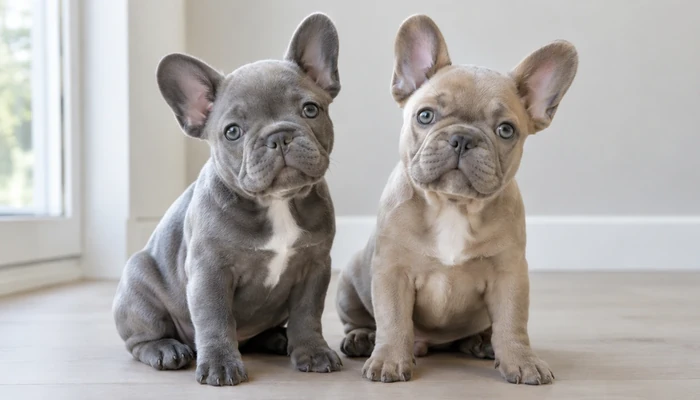
health tested french bulldogs, available puppies ready now, available puppies for sale