
Blue vs Lilac vs Isabella French Bulldogs: Comparing Color, Rarity, and Price for Responsible Buyers
For those captivated by the rare and exotic hues of the French Bulldog world, navigating the choices between Blue, Lilac, and Isabella colors can be daunting. With endless online listings and breeders touting unique shades, how do you determine what truly matters beyond the surface? This guide dives deep into the genetics, health considerations, rarity, ethical breeding, and what every buyer should know—so you can confidently compare Blue, Lilac, and Isabella French Bulldogs without falling for trends or marketing hype. You’ll gain practical steps, key comparison points, expert-backed warnings, and everything you need to prioritize health, structure, and temperament over mere color.
Understanding French Bulldog Color Genetics: The Basis for Blue, Lilac, and Isabella
Before focusing on the dazzling shades, it’s essential to grasp the genetic foundations of French Bulldog coloration. Each rare color—Blue, Lilac, and Isabella—results from specific gene pairs and their unique combinations:
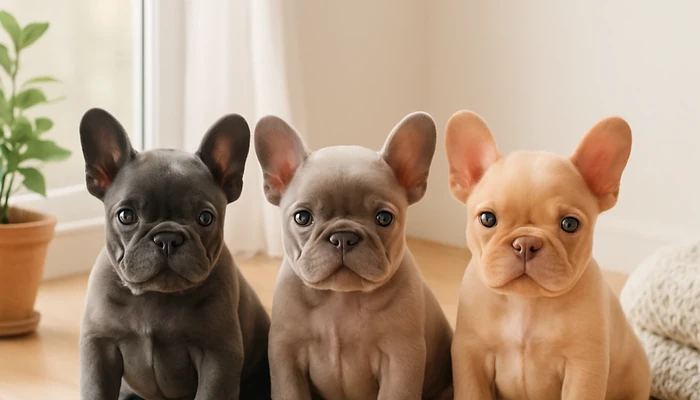
- Blue French Bulldogs: Result from two copies of the “d” (dilute) gene, diluting black pigment into a bluish-gray.
- Lilac French Bulldogs: Carry both the “d” gene and two copies of the “chocolate” gene (“b”), causing a faded, silvery lavender tone.
- Isabella French Bulldogs: Often the rarest, with “dd” and two copies of a specific “b” (sometimes labeled as “bc”) creating a champagne-beige or pale fawn-lilac tone.
The Importance of DNA Testing
Accurate identification relies on DNA color panels—not just appearance—since visual cues can be misleading. Reputable breeders provide DNA reports showing specific loci for color, confirming true Blue, Lilac, or Isabella status.
What Sets Blue, Lilac, and Isabella French Bulldogs Apart?
While Blue, Lilac, and Isabella shades are all considered rare, each brings its own set of visual characteristics, genetic complexities, and demand among enthusiasts. Let’s compare their most defining traits:
| Aspect | Blue | Lilac | Isabella |
|---|---|---|---|
| DNA Genes | dd (dilute) | dd + bb (dilute + chocolate) | dd + bb (rare chocolate allele) |
| Color Description | Gray/steel blue coat, sometimes with bluish eyes | Pale silvery lavender/purple, often light eyes | Very light beige, champagne, grayish-fawn, pale nose/eyes |
| Popularity | High | Rising | Extremely rare |
| True Rarity | Common among breeders | Less common, more valuable genetics | Few breeders produce genuine Isabella per DNA |
| Price Range* | $3,500–$6,500 | $5,000–$9,500 | $8,000–$15,000+ |
| Standard Status | Non-standard | Non-standard | Non-standard |
*Estimated for United States, subject to breeder, health tests, pedigree and demand.
Health, Temperament, and Color: What Every Buyer Should Prioritize
- Health should always outweigh color. Color genes can dilute pigment responsible for not only coat shade but also immune and skin health, which may make rare-colored French Bulldogs slightly more susceptible to certain dermatologic or allergy issues. However, ethical breeders mitigate these risks through rigorous health testing and careful selection.
- Temperament matters more than hue. Whether Blue, Lilac, or Isabella, prioritizing calm, confident, social, and resilient puppies is key for a family companion.
- Quality comes from structure, not color. Proper body shape, breathing capability, spine/tail integrity, and joint soundness are fundamentals that color alone can never replace.
What Health Screening Should a Responsible Breeder Offer?
- Genetic testing panel (for color loci, disease risk, and carrier status)
- Physical exam by a veterinarian
- Patella, heart, eye, and airway assessments
- Parental hip/spine certifications or X-rays if available
- Documentation (not just verbal promises)
Rarity and the Market: Why Isabella is Not Always ‘Better’ Than Blue or Lilac
The rarity ranking (Isabella > Lilac > Blue) does not automatically mean a healthier or better companion. Much of the price premium is fueled by scarcity, demand, and myths about color exclusivity. Buyers should be cautious of:
- Unverified claims—some breeders label dilute fawn or off-color dogs as “Isabella” without DNA proof.
- Sky-high pricing with no extra health/support benefits.
- Pressure tactics—ads pushing urgency to “snap up” rare colors.
- Neglect of essential care or temperament in favor of chasing rare genes.
Remember: Rarity is only meaningful when backed by health, structure, and temperament. Official sources, such as the AKC French Bulldog breed standard, stress soundness over color.
How to Read French Bulldog DNA Reports for Color Accuracy
With misleading labels flooding the market, DNA test results are your safeguard. A true color DNA report for French Bulldogs should list the following loci:
- D locus (dilution—the source of blue)
- B locus (chocolate alleles—necessary for Lilac and Isabella)
- Intensity and additional modifier genes may further adjust shade.
Example: Decoding an Isabella French Bulldog’s DNA
- D locus: dd
- B locus: bb or bc
- Optional: May include testable chocolate or rare modifier genes for clarity
Always request a copy of the DNA panel from the breeder before committing to purchase.
Ethical Breeding for Rare Colors: What Responsible Breeders Do Differently
Not all breeders following rare color trends do so responsibly. Look for breeders who:
- Pair only health-tested, well-tempered parents—even for high-value colors
- Avoid tight inbreeding to “lock in” rare hues
- Breed for overall health, soundness, and family suitability, not color alone
- Provide documentation on genetics, health, and veterinary history
- Offer ongoing support and education for new owners
Learn more about breeding practices and genetic impact by reviewing Elite Frenchies’ guide to French Bulldog genetics.
Spotting Red Flags: Unethical Marketing and Unsafe Breeding
- Lack of clear parent or puppy health records
- Irregularities in color (patches, excessive white, pink noses/eyes without explanation)
- Breeder declines to answer in-depth questions or supply DNA paperwork
- Puppies priced well below market average for “rare” colors
- Constant litters available year-round with no downtime for mothers
If you see these warning signs, consider pausing your search and consulting breeder review guides such as this comprehensive overview of French Bulldog breeders.
Price Factors for Blue, Lilac, and Isabella French Bulldog Puppies
What exactly drives the price difference among these rare colors? Beyond simple color, other variables are at play:
- DNA-verified rarity: Isabella and Lilac require both “d” and “b”/“bc” genes in combination, which fewer dogs carry.
- Health testing: Responsible breeders invest heavily in health panels, which add to cost but pay off in long-term quality.
- Pedigree strength: Show-quality ancestry, championship titles or proven lines command higher prices.
- Socialization and care: Puppies raised in home environments with early enrichment and social foundations are often more expensive but better adjusted.
- Lifelong support: Premium programs offering owner support, resources, and warranty reflect higher initial costs but add peace of mind.
Be cautious of unusually low prices for rare-colored puppies. This often suggests shortcuts on health, breeding ethics, or socialization.
Health Risks Associated With Rare Color Genes in French Bulldogs
While many Blue, Lilac, and Isabella French Bulldogs enjoy full, happy lives, there are realities to consider:
- Color dilution alopecia: A genetic condition sometimes linked to “d” (dilute) gene; may cause patchy fur or sensitive skin—though not all dogs are affected.
- Increased sun sensitivity: Light-skinned areas and pale noses may sunburn more easily.
- Potential immune compromise: Dilution genes may marginally increase allergy or skin issue risk.
- Non-standard hues and breed registry: Blue, Lilac, and Isabella puppies are not eligible for some official conformation shows in the United States due to non-standard pigmentation, though they make wonderful companions.
The latest veterinary consensus suggests that careful, ethical breeding practices can mitigate many health concerns associated with rare colors in French Bulldogs.
Questions to Ask a French Bulldog Breeder About Rare Colors
- What is your health testing protocol for both parents?
- Can I see DNA color panels and physical veterinary records?
- How do you select parents for temperament and structure?
- How do you verify that puppies are true Blue, Lilac, or Isabella and not merely lookalike shades?
- What support do you offer after the puppy comes home?
- Have you observed any color-associated health issues in your lines?
- Do you offer a health guarantee or contract in writing?
- How do you handle potential color confusion (dilute fawn vs Isabella, for example)?
For more in-depth breeder interview guidelines, see Elite Frenchies’ breeder education resource.
How Responsible Breeders Prepare Blue, Lilac, and Isabella French Bulldog Puppies for Family Life
- Early socialization (exposure to sounds, people, enrichment activities)
- Puppy temperament evaluations to ensure fit for each household
- Basic training foundations (name response, crate exposure, leash introduction)
- Age-appropriate vaccination and deworming
- Supportive transition package for new families (resources, schedule, feeding guide)
Learn what responsible breeding looks like in practice by reviewing insights on French Bulldog breeding ethics.
Preparing for a Rare-Color Frenchie: Essential Buyer Checklist
- Confirm breeder’s health, genetics, and temperament priorities
- Request and review DNA documentation
- Evaluate the value of the puppy package: socialization, transition resources, family matching
- Set realistic expectations regarding color, health, show eligibility, and potential costs
- Plan for insurance, routine vet care, and potential breed-related medical needs
- Establish a relationship with a brachycephalic-experienced veterinarian
Long-Term Care for Blue, Lilac, and Isabella French Bulldogs
The foundation for any Frenchie’s well-being is a lifetime of supportive care, regardless of their rare color status:
- Balanced nutrition: Tailor based on breed predispositions—review special dietary considerations.
- Regular veterinary care: Yearly checkups, dental care, and weight monitoring.
- Allergy management: Watch for skin sensitivities; consult your vet for therapies as needed.
- Skin and coat protection: Use appropriate grooming and sun protection for pale-skinned Frenchies.
- Enrichment and gentle exercise: Mental stimulation prevents boredom and supports temperament stability.
- Lifelong education: Continue learning as a Frenchie owner by exploring resources like rare color information hubs.
Making the Right Decision: Color, Health, and Family Fit
- Align your choice with the health and temperament priorities over hue
- Validate breeder claims with DNA and health records
- Balance your preferences with lifelong responsibilities
- Choose breeders with transparent ethics, not just promises of rarity
Your commitment as a buyer helps uphold the welfare of French Bulldogs everywhere. For those ready to move forward, review reputable breeders’ French Bulldog puppy availability or stud service details to support healthy, supported family companions.
Frequently Asked Questions About Blue, Lilac, and Isabella French Bulldogs
- Do Blue, Lilac, or Isabella French Bulldogs have different personalities?
No. Color genes do not affect temperament. Ethical breeding for social, well-rounded personalities is key, regardless of hue. - Are rare-colored Frenchies at greater risk for health problems?
Some studies suggest a mild increase in skin sensitivity or allergies, especially for dilutes (Blue, Lilac, Isabella), but well-bred dogs with full health panels are generally robust companions. - How can I verify a puppy’s true color?
Request the breeder’s DNA panel with explicit loci for color genes. Appearance alone is unreliable. - Why are Isabella Frenchies so expensive?
True Isabella color requires several rare gene pairs and extensive, planned pairings—plus significant investment in health and quality. - Can I show my Blue, Lilac, or Isabella French Bulldog at official conformation events?
No. These are considered non-standard colors and are not eligible to compete in official breed shows under major registries in the United States. - Will rare-colored Frenchies need special care?
Not significantly beyond standard breed care, though extra attention to skin protection and allergy management is advisable. - Is color worth more than temperament or health?
Absolutely not. Prioritize health, soundness, and temperament over appearance—these are lifelong factors. - Can color change as a puppy matures?
Yes, many French Bulldog puppies lighten or deepen in color during their first year. Rely on DNA proof over puppy appearance. - What resources can help me choose the right Frenchie?
Use DNA documentation, breeder references, and educational hubs like those offered by Elite Frenchies. - What is the difference between Lilac and Isabella?
Isabella is genetically a specific, lighter variant of Lilac, with a more champagne hue and often even paler features—a DNA test is required for certainty.
Conclusion: Championing Health, Ethics, and Informed Choices
Choosing among Blue, Lilac, and Isabella French Bulldogs is about much more than color—it’s a responsibility to the breed’s future. Put health, temperament, and ethical breeding at the forefront of your search. Evaluate breeders carefully, ask the hard questions, and focus on what makes a Frenchie a wonderful companion for your family. When you’re ready to take the next step, rely on trusted programs like Elite Frenchies to support your journey with education and transparency every step of the way.
About Elite Frenchies
Elite Frenchies is an ethical French Bulldog breeding program dedicated to raising exceptional puppies for families and individuals across the United States. With a strong commitment to responsible genetics, rigorous health testing, and transparent buyer education, Elite Frenchies helps future owners make informed decisions grounded in the welfare of their dogs. The program’s focus on structure, temperament, and a lifetime of support ensures that every Frenchie placed is ready for loving homes. From early socialization to ongoing owner guidance, Elite Frenchies sets the standard for health, communication, and care in the French Bulldog world.
french bulldog genetics, available puppies today, available puppies listings