
Blue vs Lilac French Bulldog Puppies: How to Choose Without Overpaying
Are you captivated by the stunning blue or lilac coat of a French Bulldog puppy and wondering whether one is truly healthier, rarer, or more valuable than the other? With exotic colors in high demand, confusion often arises around genetics, responsible breeding, and what really matters beyond appearance. This complete guide, centered on Blue vs Lilac French Bulldog Puppies: How to Choose Without Overpaying, demystifies the differences, spotlights health and temperament priorities, and empowers future owners to make well-informed, ethical choices—not just expensive or trendy ones. Whether you’re in the early research phase or nearly ready to reserve a puppy, you’ll gain the insights and questions needed to avoid common pitfalls and focus on lifelong Frenchie wellness and companionship.
Understanding Blue and Lilac French Bulldog Genetics
To appreciate the distinctions between blue and lilac French Bulldog puppies, you’ll need a solid grasp of Frenchie coat genetics. Both colors stem from specific gene combinations, but neither color should override health, temperament, or structural quality in breeding priorities.
What Exactly Is a Blue French Bulldog?
- “Blue” refers to a diluted black gene (d/d genotype), resulting in a greyish slate coat.
- Blue Frenchies can come in various patterns: solid, pied, brindle, and more.
- This color has become popular, but the gene itself does not make a dog rare—or healthy—on its own.
How Is a Lilac French Bulldog Genetically Different?
- “Lilac” (also called “Isabella”) is a dilution of both black (d/d) and chocolate (b/b or co/co), creating a pale, silvery coat with pinkish undertones and light eyes.
- True lilac coloring demands both dilution genes, making it less common than blue, but not necessarily healthier or more valuable in practice.
- Both colors require careful genetic pairing to avoid hidden health risks.
For more on how rare French Bulldog colors emerge, see rare French Bulldog coat colors.
Why Color Should Never Trump Health or Temperament
While flashy colors attract attention and higher price tags, ethical breeders, like Elite Frenchies, never place exotic color genes above the foundational pillars of French Bulldog wellness: structure, breathing, temperament, and longevity.
- A striking blue or lilac coat means little if inherited health problems, nervousness, or poor structural build impact your dog for life.
- Responsible breeders commit to full health testing and temperament evaluations—regardless of color genetics.
- Puppies should always be assessed as individuals first, with color as a secondary consideration.
Read more about responsible breeding practices in the AKC’s Guide to Responsible Dog Breeding—a valuable benchmark for breeders and buyers alike.
Comparing Blue vs Lilac French Bulldogs: Myths and Realities
Let’s break down some of the most common myths around blue and lilac French Bulldogs, and how to see through color-driven marketing hype:
| Trait | Blue French Bulldogs | Lilac French Bulldogs | Reality Check |
|---|---|---|---|
| Genetics | One dilution (d/d) | Double dilution (d/d + b/b) | Lilac is rarer but not always healthier |
| Coat Color | Slate blue/grey | Pale lilac, pinkish hue | Color is purely aesthetic |
| Rarity | Uncommon, but widespread in breeding | Less common, may command premium | Rarity = higher prices, not health |
| Health | Similar risks as other colors if untested | May risk more skin/pigment issues | Only health-tested lines are safe bets |
| AKC Status | Not standard | Not standard | Both are non-standard; conformation shows will penalize |
Key takeaway: Genuine health, temperament and proven structure should always outweigh color hype when selecting a French Bulldog puppy.
The Realities of Owning an Exotic Color French Bulldog
It’s important for families in the United States to know what exotic color ownership truly involves, from health screenings to care needs and cost considerations. Blue and lilac Frenchies can be amazing companions if bred and raised with care, but irresponsible color-focused breeding can cause lifelong health and behavioral challenges.
Potential Health Risks Linked to Color Genes
- Color Dilution Alopecia (CDA): Blue and lilac coats carry an increased risk for alopecia (hair loss) and sensitive skin.
- Immune System Sensitivities: Pigment dilution can sometimes be linked with minor immune quirks.
- Certain Rare Disorders: Higher risks occur when breeders prioritize color over health screening.
Structural and Breathing Considerations
- Regardless of color, French Bulldogs are a brachycephalic (short-nosed) breed prone to breathing challenges.
- Look for pups from parents with open nostrils, good palates, and proper head-to-body proportions—not just rare color.
- Structural weaknesses (e.g., narrow hips, small nares) are more important long-term than coat shade.
Delve deeper into color-related health questions at rare French Bulldog colors and health considerations.
Ethical Breeding and Red Flags: How to Avoid Overpaying
Careless breeders often exploit buyer demand for blue or lilac Frenchies, overlooking genetic health, temperament, or structure in favor of quick profits. Avoid common traps by knowing the following:
- No health testing documentation: Always request proof of OFA, genetic, and breed-specific tests.
- Overemphasis on “rare” color: Genuine breeders prioritize function and health first.
- Unwillingness to answer tough questions: Good breeders are transparent about contracts, vet care, and parent health.
- Puppies offered too young or without socialization: Red flag for corner-cutting practices.
See additional ethical breeder requirements at All About French Bulldog Breeders.
Health Testing Essentials for Blue and Lilac French Bulldog Litters
No matter the color, legitimate breeders run a comprehensive array of health tests before breeding French Bulldogs. Here’s what you should check for before reserving any puppy:
- OFA certifications: hips, patellas, cardiac health
- Genetic panel for breed-relevant disorders (including color dilution alopecia where applicable)
- CLEARED from congenital spine, airway and ocular problems
- Clear documentation of veterinary assessments and vaccination plans for puppies
Learn about the importance of DNA and health testing via French Bulldog DNA.
Choosing a Breeder: What Ethical Programs Do Differently
An ethical French Bulldog breeder focused on blue or lilac lines takes extra steps for both puppy and buyer welfare, including:
- Genetic and DNA color testing—but never sacrificing temperament or health for looks
- Complete openness about breeding stock history and health
- Transparent contracts (spay/neuter, health guarantees, return or lifetime support policies)
- Early puppy socialization, enrichment and starter training
- Placing puppies at responsible ages—never before 8–10 weeks
Compare elite breeder requirements at Ethical Breeding: A Delicate Pursuit.
Key Questions to Ask Before Reserving a Blue or Lilac Frenchie
Protect yourself from disappointment or health issues by asking breeders the following before placing a deposit:
- What specific health tests were performed on both puppy parents? Can I see results?
- Are both parents evaluated for respiratory and spine health, not just color DNA?
- How is puppy temperament assessed and matched to families?
- What socialization and training have the puppies received?
- What does the health contract cover? Is there ongoing support?
Reference the full buyer checklist and interview framework at All About French Bulldog Breeders.
Pitfalls of Overpaying for Color: True Cost of Exotic French Bulldogs
Price should reflect not just coat color, but also a breeder’s health testing, ethical practices, and support. Overpaying just for blue or lilac hype can leave you with costly vet bills or behavioral challenges later.
- Risks of under-vetted breeders: May skip health screening, causing long-term costs.
- False promises of “rare” genetics: Check if claims are backed by proof and responsible breeding goals.
- Remember: An extravagant price tag is not a guarantee of ethical breeding or health assurance.
What Contributes to a Fair French Bulldog Price?
- Documented health and DNA testing, vaccinations, contracts
- Early socialization, puppy starter packs, ongoing support
- Responsible parent selection (not just color pairing)
Find more about what makes some colors more expensive at Most Expensive French Bulldog Color.
Case Study: Comparing Real Blue and Lilac Litters from Ethical Breeders
Let’s follow two hypothetical litters from ethical programs—one blue, one lilac—to show how real priorities shape healthy puppies:
- Health profile: Both litters undergo the same OFA and genetic tests; parents are chosen for structure first, color second.
- Socialization: Both get exposure to sound, surfaces, and gentle handling from birth.
- Contracts: Both include health guarantees and breeder support, regardless of color.
- Price: May be slightly higher for lilac (rarer color genes), but both are justified by care, testing, and lifelong support—not just color.
Conclusion: In responsible programs, blue and lilac Frenchies are equally valued as healthy companions. Color is a bonus—not the basis of care or quality.
Preparing Your Home for a Blue or Lilac French Bulldog Puppy
Regardless of coat, French Bulldogs require special preparation for a safe and low-stress homecoming. Here’s a practical checklist to set you—and your Frenchie—up for success:
- Puppy-proof living areas: cover cords, remove toxic plants, secure loose items
- Pick up essentials: crate, food/water bowls, starter food (ask breeder’s brand), toys
- Plan vet check and puppy wellness visits in your first week
- Commit to joint socialization and training activities
- Arrange a safe space for rest and potty training
For step-by-step puppy preparation tips, visit Preparing Your House for New Puppies.
Nutrition and Care: Special Considerations for Blue and Lilac French Bulldogs
While most Frenchies share general dietary needs, those with blue or lilac coats may require:
- A skin-friendly, omega-rich diet to reduce potential irritation or dryness
- Regular brushing and appropriate grooming to monitor for color dilution alopecia
- Consistent vet visits to catch issues early
See more nutrition ideas tailored to exotic color Frenchies at Dietary Considerations for Fluffy French Bulldogs.
Frequently Asked Questions: Blue vs Lilac French Bulldog Puppies
What is the difference between blue and lilac French Bulldog genetics?
Blue Frenchies carry the “d/d” dilution gene for a slate-grey coat, while lilac Frenchies add a second chocolate or cocoa dilution gene, giving a lighter, silvery hue. Both are non-standard colors in breed clubs, and neither should be prioritized above health and temperament.
Are blue or lilac French Bulldogs healthier?
Neither color is inherently healthier. Health depends on breeding practices, health certifications, and parental genetics—not coat color.
Why are lilac French Bulldog puppies more expensive?
Lilac Frenchies are less common due to specific gene combinations, but true value comes from the breeder’s health programs and support, not rarity alone.
Do blue or lilac Frenchies require special care?
They may have more sensitive skin or be prone to alopecia, so a skin-healthy diet, regular grooming, and prompt vet visits are wise.
How can I spot an unethical breeder using color hype?
Red flags include no health testing, vague contracts, no proof of socialization, or breeders pushing urgency and price over well-being. Always request full documentation, meet parents if possible, and ask about lifetime support.
Should I buy solely for color if I want to breed French Bulldogs?
No. Structure, health, temperament and responsible breeding cycles must always come first. Only breed with full education on genetics and ethics.
Are blue and lilac colors AKC recognized?
No. Both are considered non-standard; breeding for show or conformation events will be disqualified for color. Pets, however, can be any color with health and temperament as the main goals.
What health tests should every blue or lilac Frenchie parent have?
OFA hips, patellas, cardiac, breed-specific DNA panel (including CDA risk), and proofs of clear structure and respiratory function.
When should I expect to take my puppy home?
Reputable breeders place puppies at a minimum of 8–10 weeks, after appropriate socialization, vet checks, and vaccinations.
Is lifelong support important?
Absolutely. The best breeders offer advice on nutrition, behavior, and vet care for your Frenchie’s entire life.
Summary: Making Your Blue vs Lilac French Bulldog Choice with Confidence
Whether you favor blue or lilac French Bulldog puppies, always prioritize health, responsible genetics, and ethical breeding over fleeting trends or marketing language. Rarity and color are never a substitute for strong structure, breathing ease, or stable temperament. By following this guide and asking the right questions, you’ll not only avoid overpaying—you’ll welcome a Frenchie companion set up for a healthy, happy life.
If you’re ready to explore puppies raised with purpose, structure, and transparency, Elite Frenchies invites you to see how ethical breeding makes all the difference. French Bulldog puppies raised with dedication to wellness and owner education await new families.
About Elite Frenchies
Elite Frenchies is a recognized ethical French Bulldog breeding program serving families across the United States. Committed to raising blue, lilac, and classic French Bulldog puppies from health-tested, temperamentally sound parents, Elite Frenchies delivers comprehensive support for every buyer—from first inquiry to lifelong care. Focused on structure, breathing, and responsible breeding practices, Elite Frenchies champions clear communication, transparency in contracts, and continuous guidance in nutrition, training, and veterinary coordination. Discover why families trust Elite Frenchies as their guide to well-bred, healthy, and happy French Bulldogs.
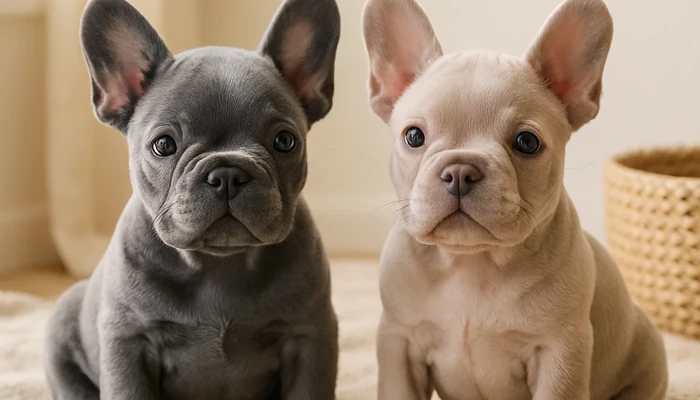
health tested french bulldogs, available puppies listings, available puppies with papers