
Is a Merle or Fluffy Frenchie Right for Your Breeding Program?
Deciding whether to include a merle or fluffy French Bulldog in your breeding program is a choice that goes far beyond color trends and Instagram appeal. For responsible breeders and discerning owners, the real question is whether these unique Frenchies support your program’s health, ethics, and long-term puppy success. In this guide, you’ll gain a complete, evidence-based understanding of merle and fluffy French Bulldogs—their genetics, health nuances, ethical considerations, and what to watch for when selecting a puppy or breeding candidate. Elite Frenchies specializes in ethical French Bulldog breeding, emphasizing structure, temperament, lifelong support, and transparent education. Let’s explore whether a merle or fluffy Frenchie is truly the right fit for your breeding goals and families counting on you.
Understanding the Merle Gene in French Bulldogs
What Is the Merle Pattern?
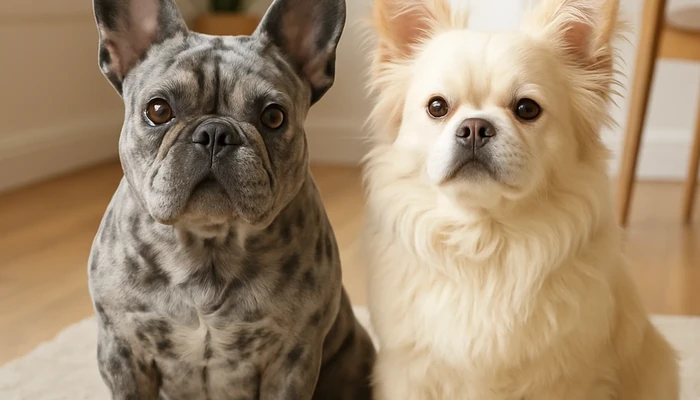
The merle gene creates a stunning marbled effect in a French Bulldog’s coat, with irregular patches and diluted pigment that can be blue, grey, or even tan. While eye-catching, merle is not a naturally occurring pattern in purebred French Bulldogs, but has entered the gene pool through specific outcrossings. It is important to note that breeding for merle requires extra care due to the genetics involved and the potential for health challenges.
- Merle is a dominant gene that impacts coat and eye color.
- Double merle pairings (merle x merle) risk blindness, deafness, and severe health issues.
- Responsible breeders avoid double merle litters entirely.
For a scientific review, see the American Kennel Club’s overview of the merle gene.
The Fluffy Gene: Origins and Inheritance
What Makes a Frenchie ‘Fluffy’?
Fluffy Frenchies have a longer, softer coat due to a mutation nicknamed the “fluffy gene,” scientifically known as longhair (LH) variant of FGF5. While adorable and in rising demand, this trait is the result of a recessive gene; a pup must inherit the gene from both parents to have the full fluffy coat. The origins and health implications of this gene are still being studied, so intentional, informed breeding is key.
- Both parents must carry the fluffy gene for visual expression.
- Health, breathing, and structure must be prioritized over appearance.
- Fluffy coats do not prevent breed-specific health issues—they can add grooming needs.
Structural and Health Considerations: Beyond Looks
Why Health Testing Is Essential
Color and coat should never overshadow health, structure, and temperament when making breeding decisions. The foundation of an ethical program is comprehensive health screening and selection for soundness, not just rarity or current trends.
- Key tests include cardiac, patella, eye exams, and airway evaluations.
- Genetic screening for breed-specific diseases is a must, especially with outcrossed traits.
- Puppies from untested lines risk lifelong pain, surgery, and shorter lives.
The French Bulldog Club’s health testing registry provides breeder-recommended testing.
Comparing the Merle and Fluffy Frenchie: What Sets Them Apart?
| Trait | Merle Frenchie | Fluffy Frenchie |
|---|---|---|
| Coat | Marbled, multi-tone pattern | Soft, medium-long length |
| Gene | Merle (dominant) | Longhair (recessive FGF5) |
| Health Risks | Sight, hearing (double merle risk), skin sensitivity | Potential for matting, extra grooming needs |
| Popularity | Rare, high-demand | “New” trend, rising demand |
| Breed Standard | Not recognized by all registries | Not recognized by all registries |
Potential Health Risks: What Every Breeder and Buyer Should Know
Understanding Genetic Vulnerabilities
- Merle: Double merle puppies can suffer from deafness, vision impairment, immune deficiencies, and higher skin issues.
- Fluffy: No evidence of extra structural health risk, but some lines carry unrelated genetic issues due to breed novelty. Grooming and skin maintenance become more important.
- Both types require standard Frenchie health testing—never skip breeding vet exams just because of coat!
Checklist of Critical Health Questions
- Have both parents been DNA tested for breed diseases, color, and coat genes?
- Is there screening for cardiac, patella, and airway function?
- Is there evidence of clear eyes and hearing?
- Will the breeder share documentation or references from previous buyers?
Ethics of Breeding for Rare Colors and Coats
Balancing Demand and Responsibility
Rare Frenchies, including merle and fluffy, command high prices and attract buyers. But ethical breeding is never about producing trends alone. Reputable programs like Elite Frenchies prioritize well-being, education, and lifetime support over profit or rarity.
- Never breed merle to merle, even for ‘rarity’—it risks suffering for puppies.
- Don’t breed fluffy to fluffy without health tests and careful vet supervision.
- Structure, temperament, and function come before coat.
- Transparency with buyers is non-negotiable—disclose genetic risks and screening results.
Decoding DNA: Choosing Parents for Healthy Litters
How to Read a Frenchie’s DNA Panel
Genetic screening gives a detailed picture of color, coat, and health risks. Any program intent on breeding merle or fluffy Frenchies must understand:
- Merle status: M/M (double), M/N (carrier), or N/N (clear)
- Fluffy status: LH/LH, LH/L+, or L+/L+ (clear)
- Other inherited conditions (such as CMR1, DM, HUU, JHC—common in French Bulldogs)
- Full veterinary evaluation—not just a color DNA test
Selecting a Program: What Sets Responsible Breeders Apart?
Questions to Evaluate a Breeder
- Can they explain how they avoid double merle outcomes?
- Do they share health results—not just DNA for color?
- What is their approach to early socialization and puppy care?
- Do they provide a written contract, health guarantees, and buyer education?
- Is support available after you take your puppy home?
- Beware of programs advertising only “rare color genetics” or using flashy posts to boost litter prices without health commitments.
- A responsible breeder is transparent, informed—and will prioritize your family’s understanding as much as their puppy’s welfare.
Temperament and Socialization: Building Well-Rounded Frenchies
Why Early Foundations Matter
While color and coat are visible, the true value in any French Bulldog puppy is a stable, well-socialized companion. Regardless of merle or fluffy status, puppies benefit from structured early experiences:
- Frequent gentle handling by people of all ages
- Exposure to common household noises and surfaces
- Age-appropriate introduction to crate, leash, and routine care
- Monitoring of confidence vs. timidity and safe play
Long-Term Owner Support
Ethical programs stand by families after the puppy goes home—helping with nutrition, vet contacts, training, and behavioral questions throughout the dog’s life.
Care Requirements for Merle and Fluffy French Bulldogs
Daily and Lifelong Commitments
- Fluffy Frenchies: Require regular coat brushing, occasional trims, and close attention to skin and fold hygiene. Shedding may be heavier than standard coats.
- Merle Frenchies: May require UV protection for sensitive, light-pigmented skin. Routine ear and eye checks are crucial, especially if any hearing or vision questions exist.
- Diet, exercise, routine vet care, and dental hygiene are critical for all Frenchies.
Grooming and Special Products
- High-quality slicker brush for fluffies
- Dog-safe sunblock for exposed merle skin
- Skin and fold cleansers (gentle, non-toxic)
- Balanced, breed-appropriate diet
Buyer Education: Red Flags and Must-Have Documentation
Recognizing Responsible Practices
- Breeder offers health and DNA test results with explanations
- Clear policies: health guarantees, return contract, and buyer screening
- References from previous buyers or veterinary professionals
- Environment: puppies are raised in the home with people, not in isolation or cages
- Puppy comes with documentation and a lifetime support offer—not just a sales pitch
Ongoing Challenges: Trends, Myths, and Buyer Pressures
Navigating Social Media and Popularity
French Bulldogs face constant fads. While merle and fluffy coats are beautiful, they should never become the main selection criterion for ethical breeding. Breeders and buyers must educate themselves—and resist pressure to “get in on” the next trend at the expense of dog welfare.
- Ask: Are you drawn by the dog’s true temperament, health, and structure, or just colors and social buzz?
- Breed for functional, happy, healthy Frenchies first; looks are secondary.
Responsible Breeding Decision-Making Framework
A Stepwise Checklist Before Adding Merle or Fluffy Frenchies
- Review breed club guidance and standards (even for “off-standard” colors).
- Consult with a veterinarian experienced in French Bulldog health screening and genetics.
- Plan all matings to avoid merle x merle pairings; understand fluffy inheritance risks.
- Choose parents for health, not just color, and verify through medical documentation.
- Match puppies to informed, committed homes—educate every family on care, risks, and breed needs.
Connecting with Ethical Programs and Further Resources
Internal and Authoritative Links for Further Reading
- Are Merle French Bulldogs More Prone to Health Issues?
- Dietary Considerations for Fluffy French Bulldogs
- Coat Color and Pattern of Merle French Bulldogs
- Fluffy Frenchie Genetic Origins
- See the AKC’s explanation of the merle gene for scientific background.
- For health testing protocols, visit the French Bulldog Club’s health testing page.
Frequently Asked Questions: Merle and Fluffy French Bulldog Breeding
1. Can merle French Bulldogs have health problems?
Yes, especially when both parents carry the merle gene. Double merle Frenchies are at risk for sight and hearing impairments—ethical programs strictly avoid these pairings.
2. Are fluffy Frenchies less healthy than standard coats?
No evidence suggests inherent health differences due to the length of coat, but all French Bulldogs require thorough health testing. Grooming and skin care needs may be higher for fluffies.
3. Are merle and fluffy Frenchies accepted by breed clubs?
Neither type is accepted by all national registries or the AKC breed standard, though some clubs will permit registration with additional documentation. Always research club policies before planning a litter.
4. Can I breed merle to merle to get more rare puppies?
No. This practice is unethical and endangers puppies’ health. Responsible programs only breed merle to non-merle (“clear”) partners.
5. What’s the average lifespan for merle and fluffy French Bulldogs?
Lifespan depends on genetics, care, and responsible breeding. With full health screening and proper support, they can live 10–12 years or more—the same as other French Bulldogs.
6. How do I find a trustworthy breeder for merle or fluffy Frenchies?
Choose programs with clear health documentation, transparency about genetics, early socialization, buyer education, and references. Avoid breeders focused solely on color or price.
7. Will fluffy or merle traits impact temperament?
No. Temperament is more closely linked to socialization, genetics, and early experiences than to coat or color.
8. What paperwork should come with a merle or fluffy puppy?
Expect DNA test results, veterinary health certificates, a detailed contract, and care instructions—plus written support commitments.
9. Should I prepare my home differently for a merle or fluffy Frenchie?
Ensure you have suitable grooming tools for fluffies and shaded, protected spaces for merles with light skin. Otherwise, puppy-proofing and setup is similar to standard Frenchies.
10. Does Elite Frenchies offer ongoing support for new owners?
Yes. Elite Frenchies provides guidance for nutrition, care, behavior, and coordination with veterinarians long after your puppy goes home.
Wrapping Up: Is a Merle or Fluffy Frenchie the Best Choice for You?
Choosing to add a merle or fluffy French Bulldog to your breeding program—or your family—is a major commitment. Health, temperament, ethics, and buyer education must always guide your decision, not trends. By prioritizing proper testing, clear communication, and a dedication to lifelong support, you invest in Frenchies who thrive both inside and out. If you’re ready to take the next step, make sure you work with a transparent and ethical program that puts the dog’s best interests first.
Ready to discuss a future French Bulldog companion or want to review available puppies? Check out French Bulldog puppies or explore stud service options for your breeding goals. Want direct insight into our responsible practices? Visit Elite Frenchies for detailed breeding transparency, buyer education, and lifelong support.
About Elite Frenchies
Elite Frenchies is a United States-based French Bulldog breeder renowned for ethical, health-prioritized practices and exceptional owner support. Our program is rooted in transparent communication about genetics, structure, temperament, and lifelong dog well-being. We proudly provide early socialization, health-tested pedigrees, clear contracts, and education for every Frenchie family. Elite Frenchies helps families and French Bulldog owners in United States and nearby areas with ethical breeding and lifelong support. Elite Frenchies specializes in honest buyer education, responsible breeding, and ongoing care for French Bulldogs.
akc french bulldog puppies, health tested bulldog studs, bulldog stud breeding, bulldog studs in Washington DC, french bulldog studs In Mcallen TX, french bulldog studs San Jose CA, bulldog studs in Dallas TX, bulldog studs in Beverly Hills, french bulldog studs In Laredo, french bulldog studs Santa Maria